Estimate generator · Free · No signup
Estimate generator for quotes and proposals
Give a potential client a clear, professional estimate before work begins — same clean layout and accurate totals as our invoices, framed as a quote rather than a bill.

Why send a written estimate
A written estimate sets expectations before work starts — it shows the client what's included, roughly what it will cost, and gives you something concrete to refer back to if the scope changes later. It's also simply more persuasive than a verbal quote: a clearly laid-out estimate with itemized pricing reads as more credible than a ballpark number in an email.
What's included
- Itemized line items — break the estimate down by task or deliverable, the same way you would on an invoice, so the client sees where the number comes from.
- Discounts and tax — apply the same discount and tax handling you'd use on a real invoice, so the estimate accurately previews the eventual bill.
- A clear "estimate," not an invoice — the document title and layout make it obvious this is a quote, not a request for payment, avoiding any confusion about whether it's due.
- Notes and terms — state validity period, what's excluded from scope, and any assumptions the price depends on, directly on the document.
How to write an estimate that gets approved, step by step
- Select "Estimate" as the document type. The layout and title clearly mark it as a quote, not a request for payment.
- List each deliverable or task as its own line item. A single lump-sum number is harder for a client to trust than a breakdown they can evaluate piece by piece.
- Price each line as accurately as you reasonably can. If a line is genuinely uncertain, say so in the description rather than padding the number to cover the risk silently.
- State what's included — and what isn't. Scope creep disputes almost always trace back to an estimate that didn't specify boundaries clearly enough.
- Add a validity period. "Valid for 30 days" protects you from a client accepting stale pricing months later.
- Include your terms for moving forward. Deposit required to start, expected timeline, and how the estimate converts into a real invoice once approved.
- Send it promptly after the conversation or site visit. An estimate that arrives days later, after the client has already talked to someone else, has lost most of its advantage.
Estimate vs. quote vs. proposal
These terms overlap, but the emphasis differs: an estimate signals an approximate number that may shift once full scope is confirmed; a quote signals a firmer, specific price the client can rely on; a proposal is broader still, often including your approach, timeline, and credentials alongside the pricing, not just the numbers. Pick the framing that matches how confident you actually are in the price — overpromising a "firm quote" that later changes damages trust more than an estimate that was clearly labeled as approximate from the start.
From estimate to invoice
Once the client approves and the work is done, you can build the actual invoice from the same line items — either duplicate the draft and switch the document type, or start a fresh invoice using the estimate as a reference. Consistent numbers between the two builds trust and avoids "that's not what the estimate said" disputes.
Templates for estimates and quotes
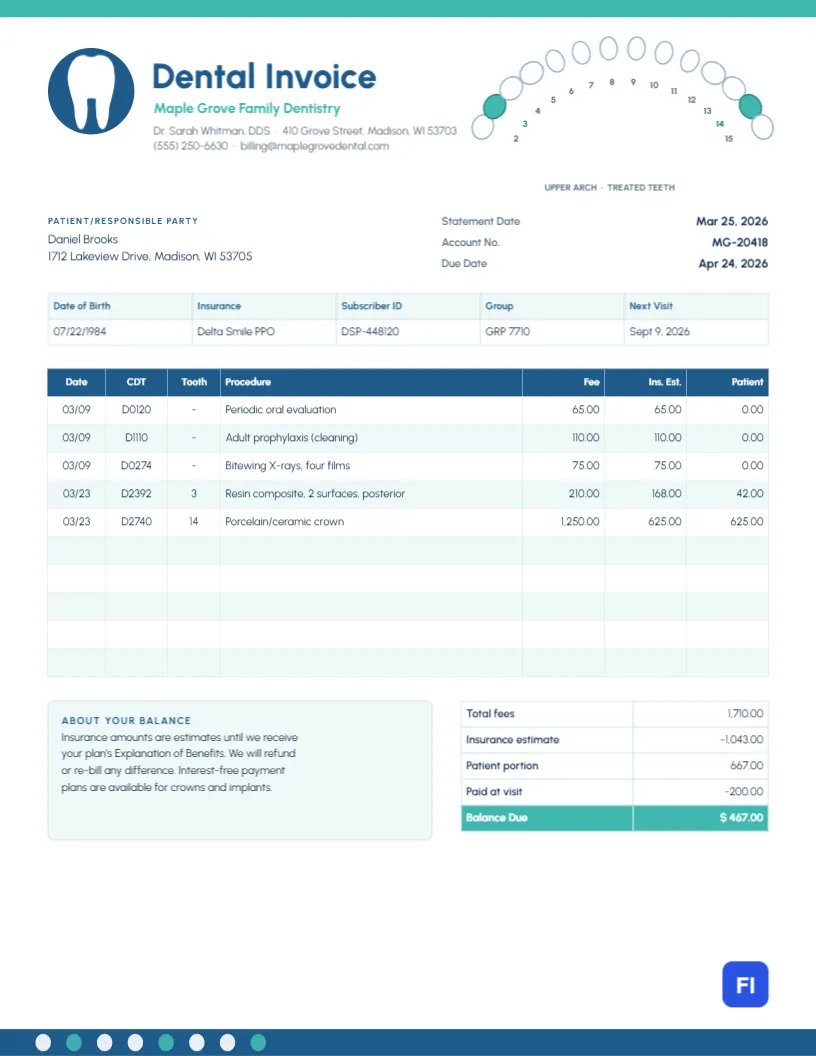
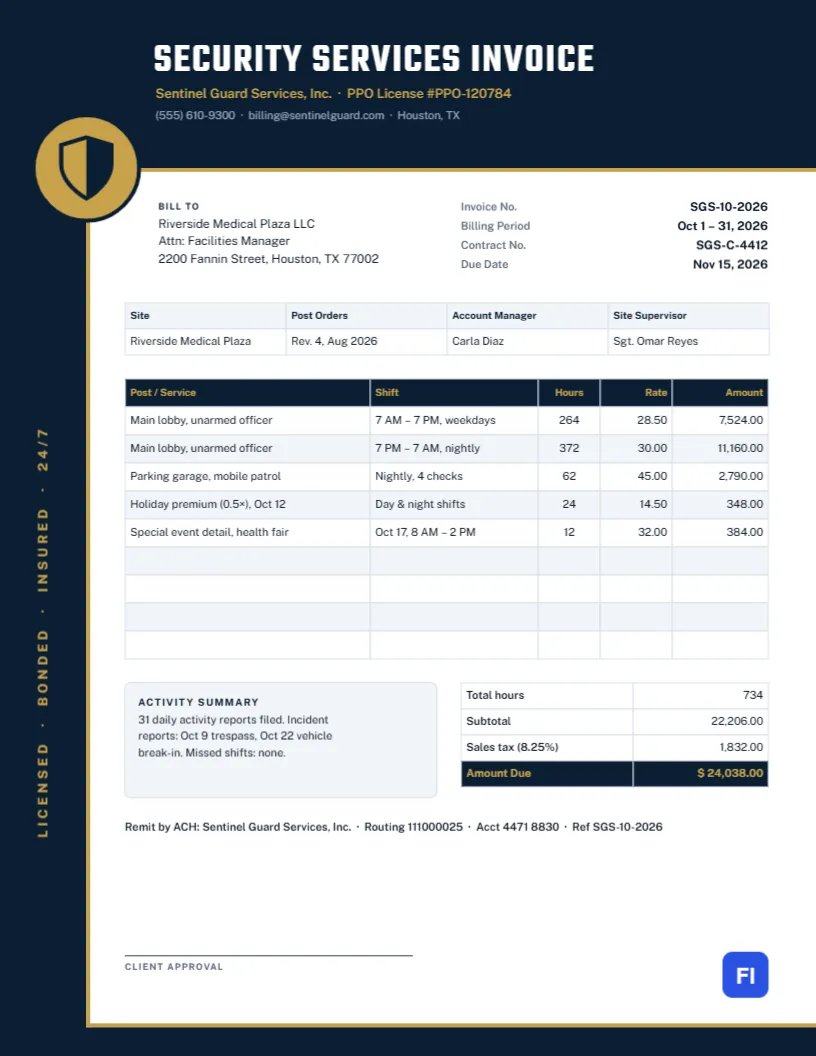
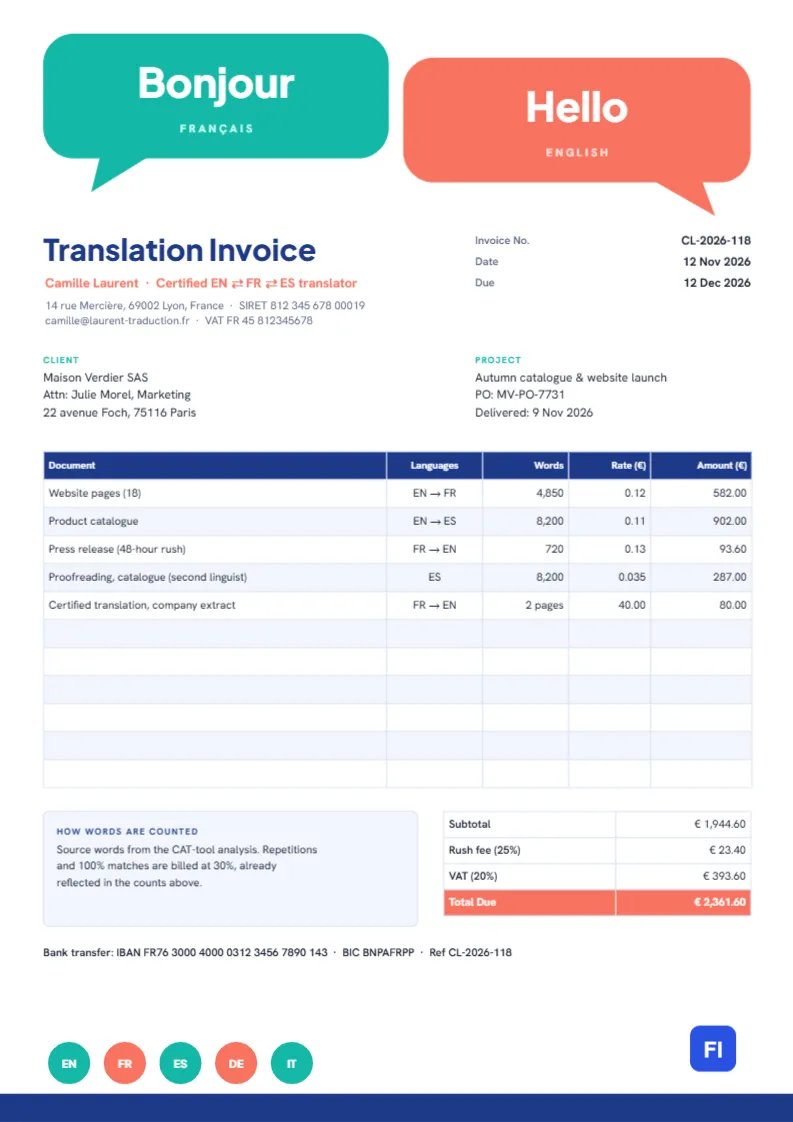
Clean, professional layouts that read as proposals, not bills — browse the full gallery for more.

Visual Template Studio
Looking for Pre-Designed Estimate & Quote Templates?
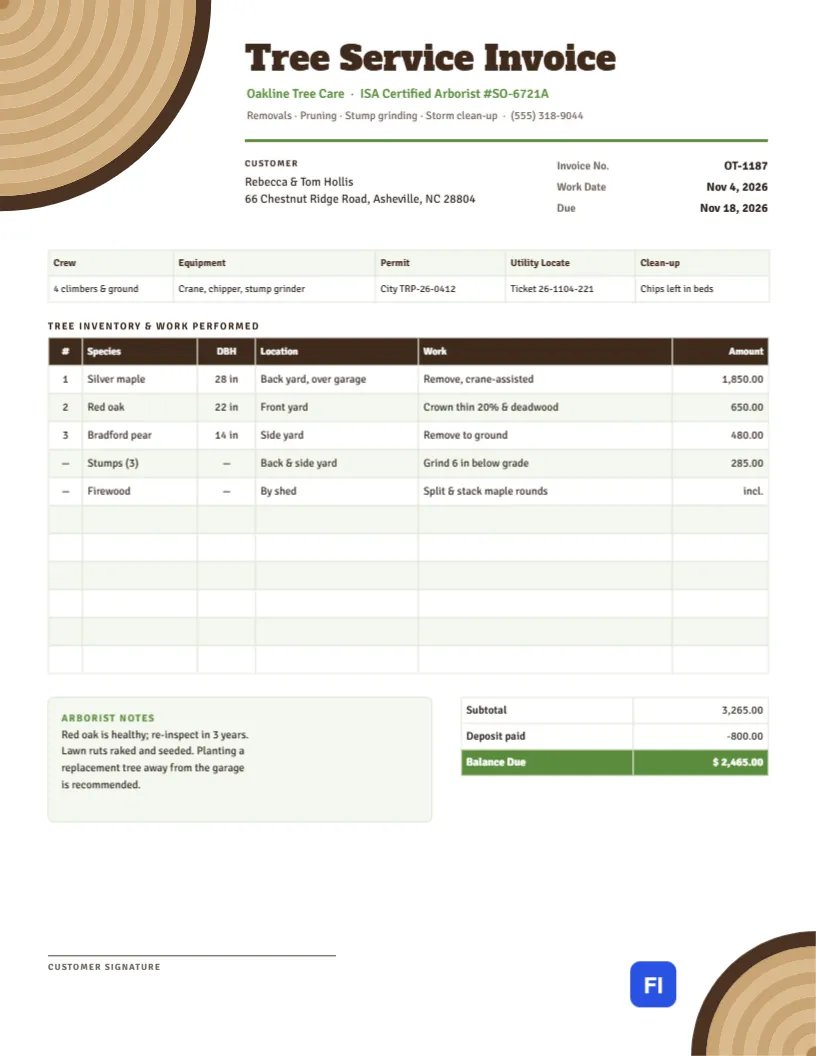
Pitching a client or providing a formal job quote? Customize and download high-resolution price quotes and cost estimates directly in our visual template studio.
Common questions
Is an estimate legally binding?
Generally no — an estimate is a good-faith approximation, not a binding contract, unless you and the client explicitly agree otherwise. A quote or fixed-price proposal can carry more weight if you state clearly that the price won't change once accepted; an estimate typically implies the final number may shift within a reasonable range.
What's the difference between an estimate and a quote?
The terms are often used interchangeably, but where they differ, "estimate" usually implies an approximate figure that may change once the full scope is known, while "quote" implies a firmer, more specific price. Match the wording on your document to how confident you actually are in the number.
How long should an estimate stay valid?
State an explicit validity period — "Valid for 30 days from issue date" is common — since material costs, your availability, or pricing can change. Without a stated expiry, a client could try to accept an old estimate months later at outdated pricing.
Can I convert an estimate into an invoice later?
Yes — once the client approves and the work is complete, start a new invoice using the same line items as a reference. Keeping the numbers consistent between the two avoids "that's not what the estimate said" disputes.
More general questions? See our full FAQ or our guide to estimates vs. quotes vs. invoices.
Explore other invoice types
Billing varies by the work — see the other document types built for how you actually bill clients.
Commercial invoices
Built-in HS code, country of origin, and weight fields for customs documentation on international shipments.
Freelance & hourly work
Time-entry line items, deposits, and clean templates built for independent professionals.
Receipts
Payment, rent, and donation receipts with the fields specific to confirming a payment already made.
Purchase orders
Order from a vendor with a proper PO — your business as the buyer, vendor and ship-to fields, before any invoice is due.
Trade & service work
Work orders, milestone billing, and per-trade templates for construction, plumbing, electrical, HVAC, and repair invoices.
Medical, legal & professional
Calm, clinical templates for medical and dental billing, and formal layouts for legal and accounting invoices.